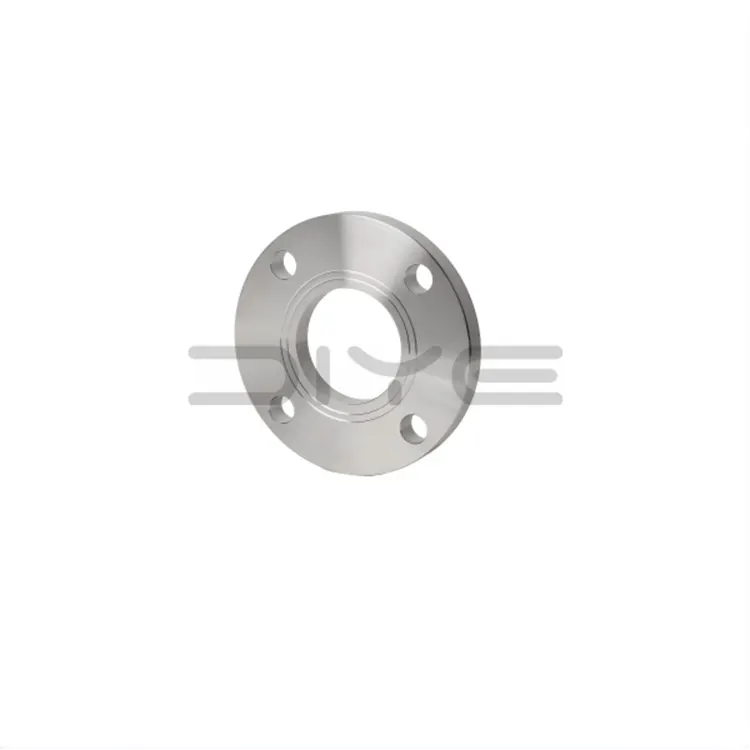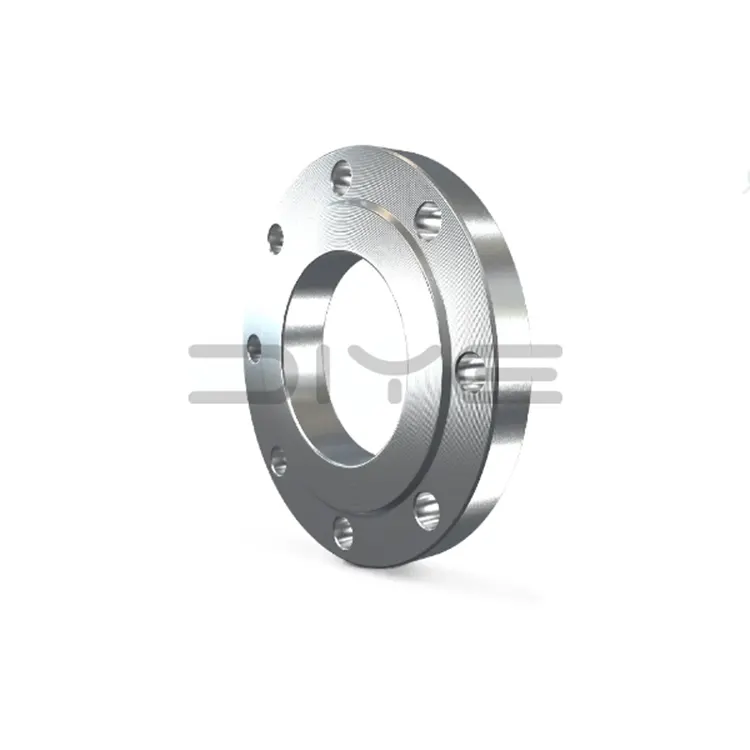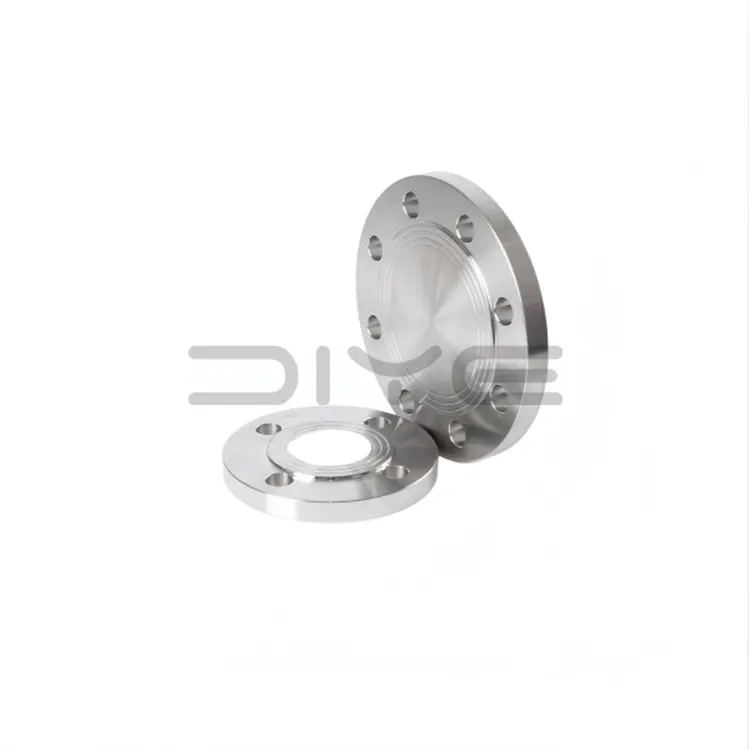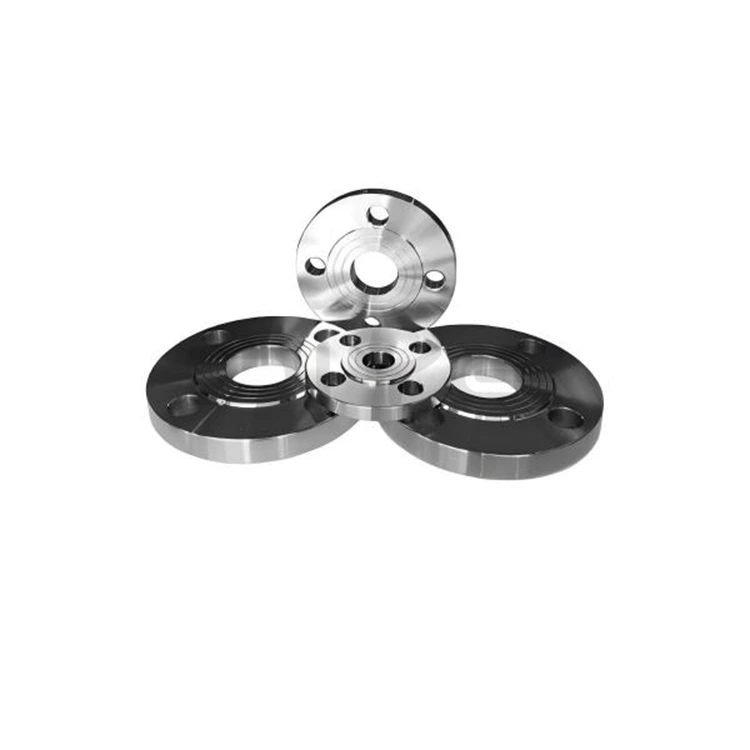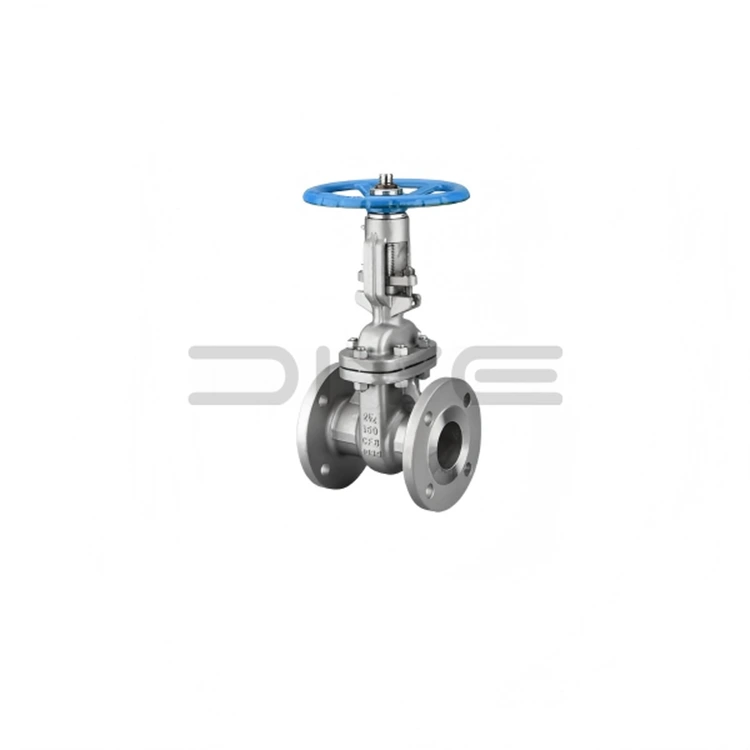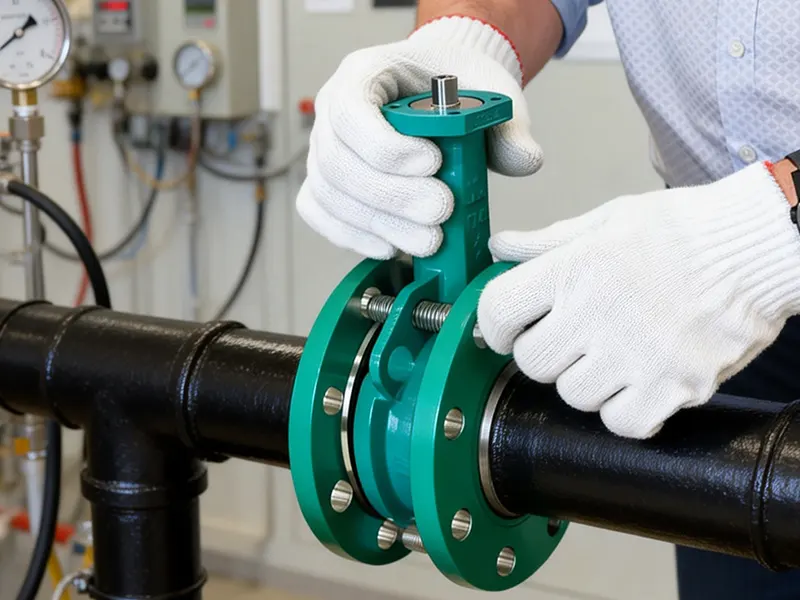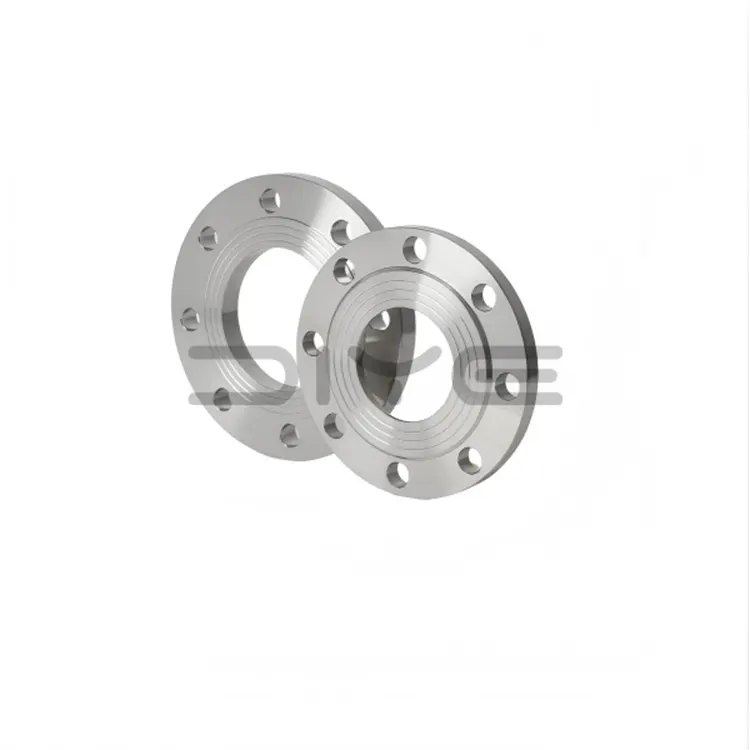
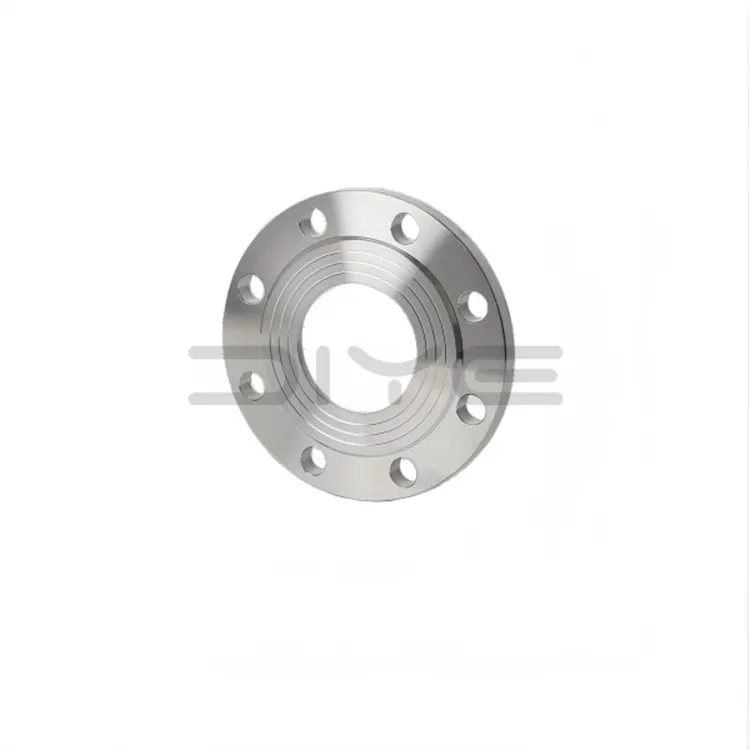
Stainless Steel Plate Flange
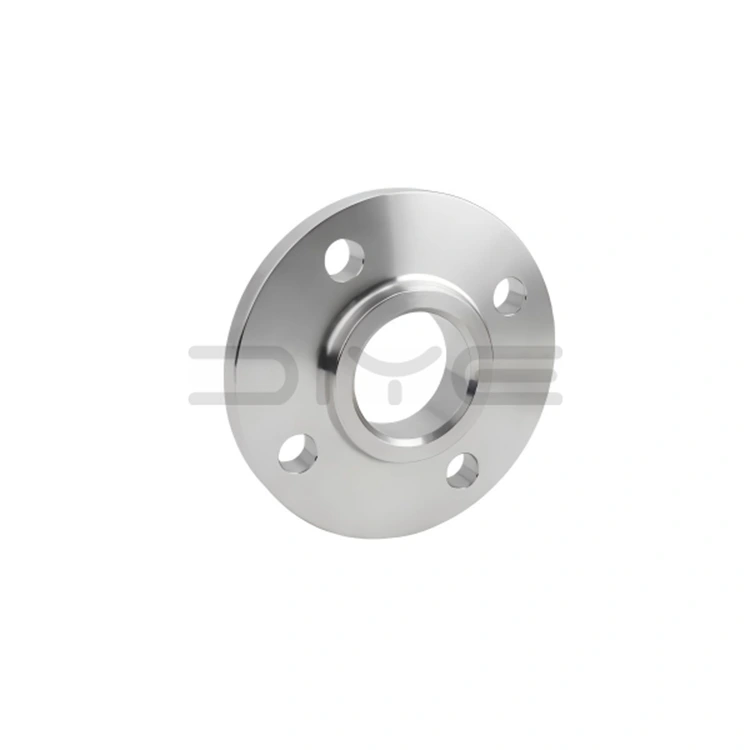
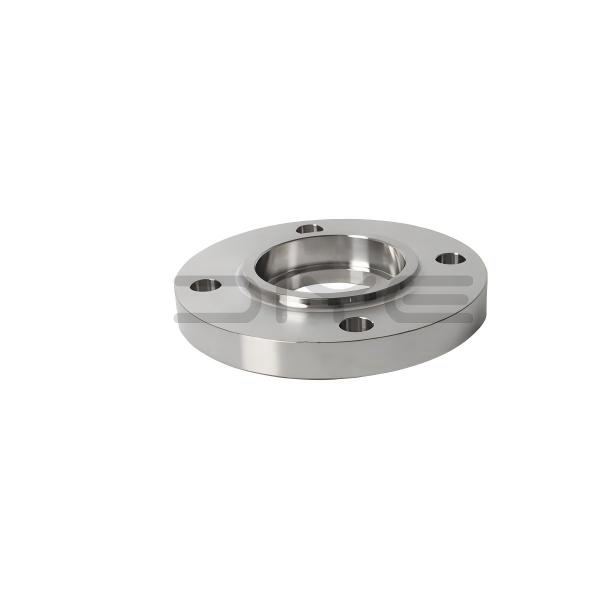
DIYE VALVE is a professional China brand dedicated to high-quality stainless steel plate flanges. The manufacturing processes of Made-in-China stainless steel plate flanges directly determine their dimensional accuracy, mechanical strength, sealing performance and working condition adaptability.
As a reliable supplier, manufacturer, and factory, DIYE VALVE conducts production in strict accordance with a full-process specification: raw material inspection → forming → precision machining → surface treatment → finished product testing → packaging and warehousing. Endowed with excellent corrosion resistance, high and low temperature resistance, rust resistance, and mechanical strength, our Stainless Steel Plate Flange are suitable for a variety of media including acids, alkalis, salts, seawater, and steam.
제품소개
1. 원료 선정
Based on product standards and working condition requirements, stainless steel forgings, hot-rolled plates or round steel are selected for Stainless Steel Plate Flange. The mainstream grades include 304 (1.4301), 316L (1.4404) and 2205 duplex steel. For products exclusively used in extremely cold working conditions, custom base materials with optimized low-temperature toughness are adopted.
2. Raw Material Inspection
All raw materials for Stainless Steel Plate Flange undergo spectral composition analysis to accurately verify the content of core elements such as chromium, nickel and molybdenum, ensuring consistency with standard grades. Meanwhile, the raw material surface is inspected for defects such as cracks, blowholes, inclusions and scratches. Raw materials for large-diameter/high-pressure flanges are subject to ultrasonic non-destructive testing (UT) to eliminate internal hidden damages.
3. Raw Material Preprocessing
Oxide scale, oil stains and rust on the raw material surface are removed via sandblasting, grinding and other processes to ensure the bonding precision of subsequent machining procedures.
4. Excellent Mechanical Properties
Stainless Steel Plate Flange boast outstanding tensile, impact and vibration resistance, with high rigidity and stable structure after welding. They are adaptable to high-pressure and high-vibration industrial pipelines, preventing loosening and leakage at connection joints.
5. Hygienic Grade Compatibility
밀봉면과 표면은 경면 연마(Ra≤0.8μm)로 처리할 수 있습니다. 이 소재는 무독성이고 맛도 없으며 청소가 쉽고 위생적인 사각지대가 없어 액체 잔류물과 박테리아 번식을 방지합니다. Suitable for hygienic-grade fluid transfer in food, pharmaceutical, beverage and drinking water industries, complying with GMP certification requirements.
회사 소개
· We source stainless steel raw materials directly from large-scale stainless steel mills for our flange production. All raw materials are accompanied by material certificates, and separate samples are retained for each batch to achieve complete quality traceability. For the raw materials of stainless steel flanges intended for extremely cold working conditions, we conduct additional pre-tests for low-temperature impact performance to ensure the base material meets the required toughness standards.
· Our stainless steel flanges are manufactured with fully CNC machining equipment for automated production, minimizing human errors. Key processes (sealing face machining, bolt hole drilling) are equipped with on-line dimensional inspection to verify machining accuracy in real time, preventing non-conforming products from entering subsequent processes. The sealing faces of flanges for extremely cold working conditions undergo an additional precision mirror grinding process to enhance sealing fit and tightness.
FAQ
Q: What is the core function of Stainless Steel Plate Flange, and what is the key difference from carbon steel flanges?
A: Their core function is to achieve detachable rigid sealed connection between pipes and pipes/equipment, integrating the advantages of connection, sealing and convenient maintenance. Compared with carbon steel flanges, stainless steel flanges boast excellent corrosion resistance, high and low temperature resistance and rust resistance, requiring no additional anti-corrosion treatment. They are suitable for harsh working conditions such as acid, alkali, seawater and extreme cold environments with a longer service life, while carbon steel flanges are only applicable to conventional, dry, non-corrosive and low-pressure scenarios.
Q: What are the mainstream materials of stainless steel flanges manufactured in China, and what basic working conditions is each suitable for?
A: 304 and 316L stainless steel are the most commonly used, and 2205 duplex stainless steel is selected for special working conditions. ① 304 stainless steel: It features a high cost-performance ratio, resistant to weak acid, weak alkali and the corrosion of conventional water and gas, suitable for general working conditions such as municipal water supply and drainage and civil gas supply. ② 316L stainless steel: Molybdenum-containing, it is resistant to chloride ions, seawater and chemical acid-alkali corrosion, suitable for oil and gas transportation in marine, coastal chemical and extremely cold areas. ③ 2205 duplex stainless steel: It has high strength, with resistance to extreme cold (≥-100℃) and strong corrosion, suitable for harsh working conditions such as Siberia in Russia, high-pressure oil and gas transportation and extreme chemical engineering
문의 보내기
연락처 정보
-
주소
중국 절강성 원저우시 빈하이 공업 단지 11번로 2367호
-
-
견적이나 협력에 관한 문의사항이 있으신 경우, 이메일이나 아래 문의양식을 이용해 주시기 바랍니다. 영업 담당자가 24시간 이내에 연락을 드릴 것입니다.